Sunday, February 8, 2026
HomeNewsWhen General Musharraf Disowned The Bodies Of Martyred Pakistani Soldiers

When General Musharraf Disowned The Bodies Of Martyred Pakistani Soldiers

Published on

  • Indian army buried the bodies after Pakistan claimed no involvement in the conflict

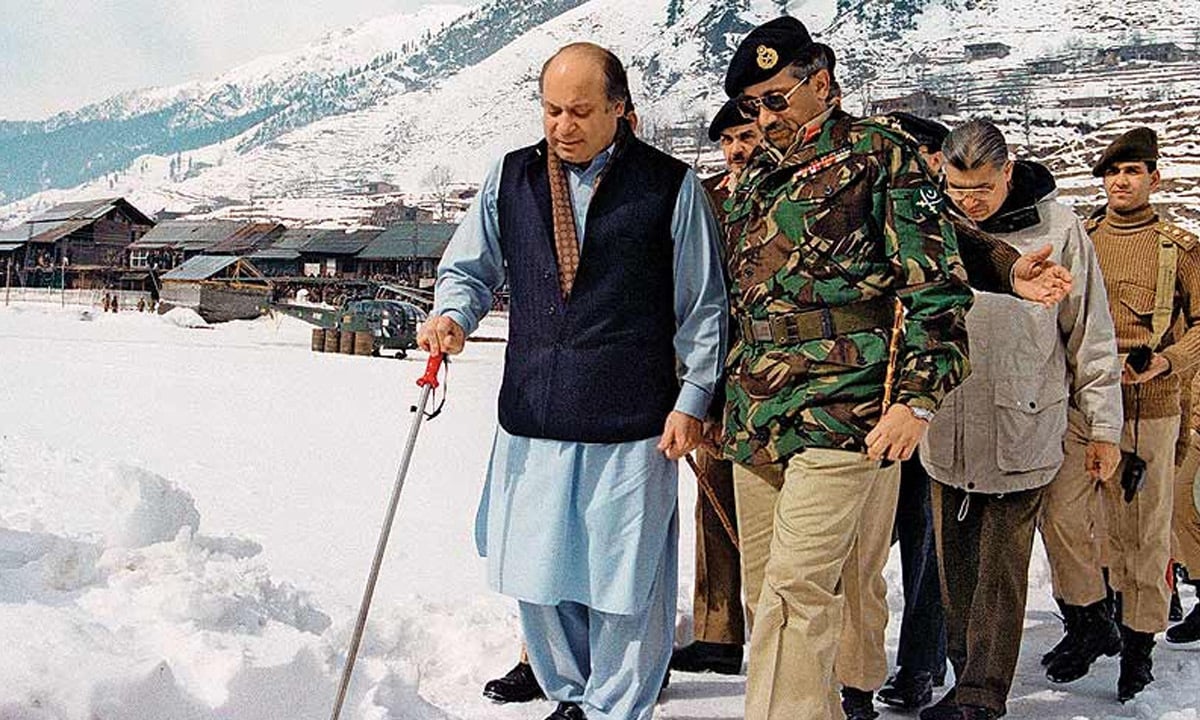
NEWS DESK: In 1999 after the Kargil War, then-Army Chief General Pervez Musharraf disowned Pakistani soldiers who laid down their lives while fighting the Indian forces, after which their bodies were buried by India.

The Kargil War was an armed conflict between Pakistan and India that took place between May and July 1999 in the Kargil district of Kashmir. Initially, Pakistan denied any involvement in the conflict, blaming it entirely on Kashmiri insurgents. 

According to an article, titled “India Buries Soldiers That Pakistan Won’t Claim”, published by The New York Times in 1999, the Indian Army buried the bodies of Pakistani soldiers after (then) army chief General Pervez Musharraf disowned the bodies, claiming Pakistan had no involvement in the conflict. 

However, later on, Pakistan owned these military men and awarded them with the highest military bravery awards.

Many analysts deemed the Kargil War to be one of the misadventures of Musharraf, which exposed not only strategic failures but also institutional failures when then-prime minister Nawaz Sharif claimed that he was not briefed about the war. 

Former military ruler and president Pervez Musharraf passed away on Sunday after a prolonged illness, leaving behind a conflicted legacy. 

Musharraf’s rule of nearly nine years, which started in 1999 with a military coup, was marred by immense political turmoil, especially in later years. 

Initially, the military rule did receive backlash from the international powers, however, it gained international legitimacy in the wake of the US’s war on terrorism when Musharraf decided to ally with the US. The repercussions of which Pakistan still faces in the form of a rise in Islamic extremism, as well as state-backed enforced disappearances.

In March 2007, Musharraf fired then-Chief Justice of Pakistan Iftikhar Muhammad Chaudhry, sparking country-wide protests by lawyers and activists. Later that year, the Supreme Court nullified Musharraf’s orders and reinstated the chief justice only to be suspended again when Musharraf imposed an emergency in November of the same year.

Musharraf was also named in cases related to Benazir Bhutto’s assassination and Nawab Akbar Bugti’s killing. 

Musharraf resigned in 2008 amid impeachment charges. 

Latest articles

Overlooking Homegrown Hate, Pakistan Hesitates to Call Islamabad Blast Anti-Shia Violence

ISLAMABAD - Just hours before a suicide bomber struck the Khadija Tul Kubra Shia mosque in Islamabad during Friday...

How Imaan-Hadi Conviction Marks the Death of Fair Trial in Pakistan

Last week, a trial court in Islamabad convicted human rights lawyers Imaan Zainab Mazari-Hazir and Hadi Ali Chattha under...

PTI’s Ambiguous Rhetoric on Taliban Is Dangerous for Pakistan’s Counter-Extremism Efforts

This reporting was supported by the International Women’s Media Foundation’s Lauren Brown Fellowship. Islamabad - Shafiullah Jan, special assistant to...

How My Daughter’s Trial Exposes Pakistan’s Assault on Human Rights

My daughter, a human rights lawyer, and her husband are currently on trial in Pakistan under cybercrime charges for...

600 Students Affected As Blast Destroys Government School in Waziristan

This reporting was supported by the International Women’s Media Foundation’s Lauren Brown Fellowship. ISLAMABAD - Militants in Pakistan’s volatile Waziristan...

Unseen Victims: How Pakistan’s Drone War is Haunting Tirah Valley

This reporting was supported by the International Women’s Media Foundation’s Lauren Brown Fellowship. Tirah Valley, Pakistan - After three months...
  • Indian army buried the bodies after Pakistan claimed no involvement in the conflict

NEWS DESK: In 1999 after the Kargil War, then-Army Chief General Pervez Musharraf disowned Pakistani soldiers who laid down their lives while fighting the Indian forces, after which their bodies were buried by India.

The Kargil War was an armed conflict between Pakistan and India that took place between May and July 1999 in the Kargil district of Kashmir. Initially, Pakistan denied any involvement in the conflict, blaming it entirely on Kashmiri insurgents. 

According to an article, titled “India Buries Soldiers That Pakistan Won’t Claim”, published by The New York Times in 1999, the Indian Army buried the bodies of Pakistani soldiers after (then) army chief General Pervez Musharraf disowned the bodies, claiming Pakistan had no involvement in the conflict. 

However, later on, Pakistan owned these military men and awarded them with the highest military bravery awards.

Many analysts deemed the Kargil War to be one of the misadventures of Musharraf, which exposed not only strategic failures but also institutional failures when then-prime minister Nawaz Sharif claimed that he was not briefed about the war. 

Former military ruler and president Pervez Musharraf passed away on Sunday after a prolonged illness, leaving behind a conflicted legacy. 

Musharraf’s rule of nearly nine years, which started in 1999 with a military coup, was marred by immense political turmoil, especially in later years. 

Initially, the military rule did receive backlash from the international powers, however, it gained international legitimacy in the wake of the US’s war on terrorism when Musharraf decided to ally with the US. The repercussions of which Pakistan still faces in the form of a rise in Islamic extremism, as well as state-backed enforced disappearances.

In March 2007, Musharraf fired then-Chief Justice of Pakistan Iftikhar Muhammad Chaudhry, sparking country-wide protests by lawyers and activists. Later that year, the Supreme Court nullified Musharraf’s orders and reinstated the chief justice only to be suspended again when Musharraf imposed an emergency in November of the same year.

Musharraf was also named in cases related to Benazir Bhutto’s assassination and Nawab Akbar Bugti’s killing. 

Musharraf resigned in 2008 amid impeachment charges. 

LEAVE A REPLY

Please enter your comment!
Please enter your name here

Also Read

Pakistan Bar Council Condemns ‘Extraordinary Protocol’ For Repatriation Of...

Pakistan Bar Council on Monday expressed "serious concerns" on...