Saturday, February 14, 2026
HomeNewsIn A First, Religious Minority Students To Have Their Own Textbooks...

In A First, Religious Minority Students To Have Their Own Textbooks In Pakistan

Published on

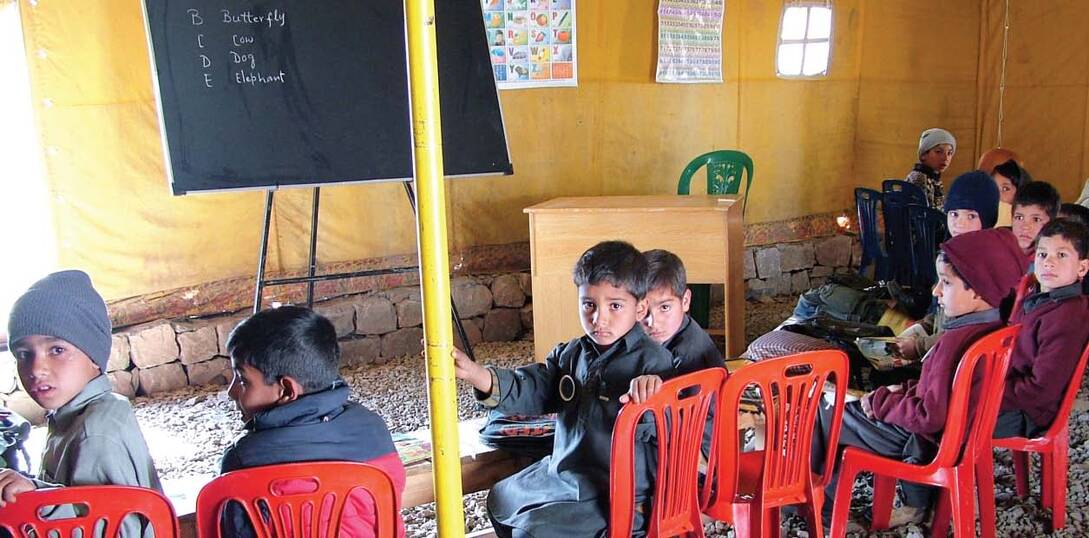
For the first time in Pakistan’s history, the National Curriculum Council (NCC) has issued a No Objection Certificate (NOC) for the publication of religious textbooks for students of seven minority religious groups enrolled in federal government-supervised educational institutions.

The NCC has allowed the publication of textbooks on Hinduism, Sikhism, Christianity, Bahai, Zoroastrianism, Kalasha, and Buddhism. The National Book Foundation (NBF) will publish the textbook.

According to the NOCs, students of minority communities enrolled in schools supervised by the federal government will be taught these textbooks from grade one to three, Express Tribune reported.

According to a recent report by the United States Institute of Peace, Pakistan has witnessed a surge in extremism and intolerance of diversity and dissent as the state-sanctioned laws and conservative narratives facilitate religious extremist elements and support their narrative, leaving little space for religious inclusion.

Earlier, the Human Rights Commission of Pakistan (HRCP) raised concerns over the “continued” marginalisation of minorities, saying the recent developments “belie the state’s commitment to freedom of religion or belief”.

The HRCP, in a report titled: A Breach of Faith: Freedom of Religion or Belief in 2021-22, said that “it has observed with considerable alarm developments during 2021/22 that belie the state’s commitment to freedom of religion or belief.”

The report pointed out that the incidence of forced conversions in Sindh has remained “worryingly consistent”. It also added that the desecration of Ahmadi worship places has continued with no response from the State.

Latest articles

Overlooking Homegrown Hate, Pakistan Hesitates to Call Islamabad Blast Anti-Shia Violence

ISLAMABAD - Just hours before a suicide bomber struck the Khadija Tul Kubra Shia mosque in Islamabad during Friday...

How Imaan-Hadi Conviction Marks the Death of Fair Trial in Pakistan

Last week, a trial court in Islamabad convicted human rights lawyers Imaan Zainab Mazari-Hazir and Hadi Ali Chattha under...

PTI’s Ambiguous Rhetoric on Taliban Is Dangerous for Pakistan’s Counter-Extremism Efforts

This reporting was supported by the International Women’s Media Foundation’s Lauren Brown Fellowship. Islamabad - Shafiullah Jan, special assistant to...

How My Daughter’s Trial Exposes Pakistan’s Assault on Human Rights

My daughter, a human rights lawyer, and her husband are currently on trial in Pakistan under cybercrime charges for...

600 Students Affected As Blast Destroys Government School in Waziristan

This reporting was supported by the International Women’s Media Foundation’s Lauren Brown Fellowship. ISLAMABAD - Militants in Pakistan’s volatile Waziristan...

Unseen Victims: How Pakistan’s Drone War is Haunting Tirah Valley

This reporting was supported by the International Women’s Media Foundation’s Lauren Brown Fellowship. Tirah Valley, Pakistan - After three months...

For the first time in Pakistan’s history, the National Curriculum Council (NCC) has issued a No Objection Certificate (NOC) for the publication of religious textbooks for students of seven minority religious groups enrolled in federal government-supervised educational institutions.

The NCC has allowed the publication of textbooks on Hinduism, Sikhism, Christianity, Bahai, Zoroastrianism, Kalasha, and Buddhism. The National Book Foundation (NBF) will publish the textbook.

According to the NOCs, students of minority communities enrolled in schools supervised by the federal government will be taught these textbooks from grade one to three, Express Tribune reported.

According to a recent report by the United States Institute of Peace, Pakistan has witnessed a surge in extremism and intolerance of diversity and dissent as the state-sanctioned laws and conservative narratives facilitate religious extremist elements and support their narrative, leaving little space for religious inclusion.

Earlier, the Human Rights Commission of Pakistan (HRCP) raised concerns over the “continued” marginalisation of minorities, saying the recent developments “belie the state’s commitment to freedom of religion or belief”.

The HRCP, in a report titled: A Breach of Faith: Freedom of Religion or Belief in 2021-22, said that “it has observed with considerable alarm developments during 2021/22 that belie the state’s commitment to freedom of religion or belief.”

The report pointed out that the incidence of forced conversions in Sindh has remained “worryingly consistent”. It also added that the desecration of Ahmadi worship places has continued with no response from the State.

LEAVE A REPLY

Please enter your comment!
Please enter your name here

Also Read

Overlooking Homegrown Hate, Pakistan Hesitates to Call Islamabad Blast...

ISLAMABAD - Just hours before a suicide bomber struck...

PTI’s Ambiguous Rhetoric on Taliban Is Dangerous for Pakistan’s...

This reporting was supported by the International Women’s Media...

‘Unchecked Impunity’: Fact-Finding Mission Reveals Root Causes of Instability...

A major Pakistani rights watchdog, the Human Rights Commission...

Once Above the Law, Now Under Fire: Malik Riaz’s...

ISLAMABAD: Pakistani real estate tycoon Malik Riaz warned Tuesday...